by Merrill Creek Reservoir | Oct 30, 2026 | Animals, Merrill Creek Reservoir
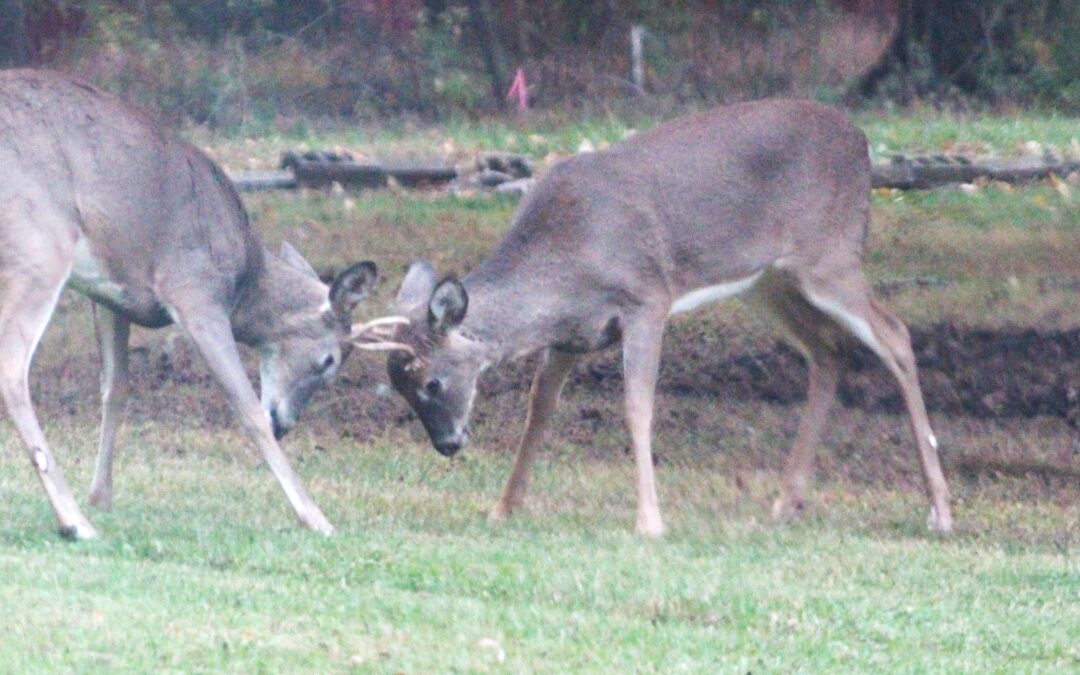
Derived from the Latin word rugire, which means “to roar” the annual mating season for deer, “The Rut”, is primarily driven by decreasing autumn daylight. While male White-tailed Deer (Bucks) do not verbally “roar”, their testosterone level sure surges...
by Merrill Creek Reservoir | Oct 28, 2026 | Birds, Merrill Creek Reservoir, Migration
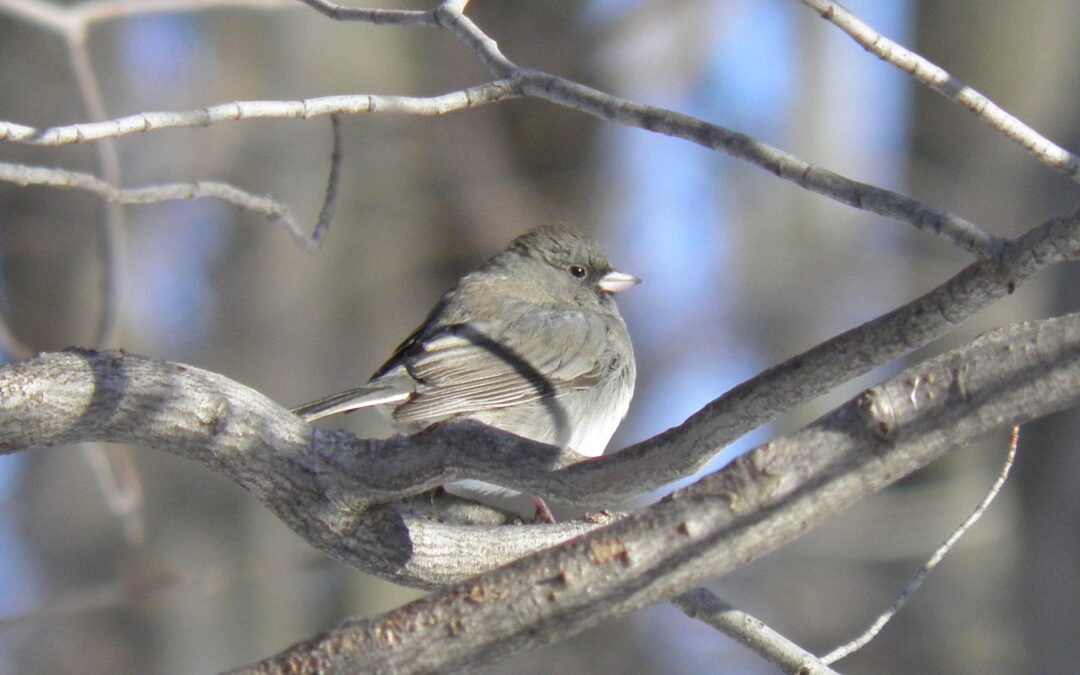
Lots of migration activity this week as the winter visitors to MCR have arrived at our feeders and around the property! Dark-eyed Juncos, White-throated Sparrows, Yellow-bellied Sapsuckers, Red-breasted Nuthatches and even a Common Loon are at MCR these days. These...
by Merrill Creek Reservoir | Oct 20, 2026 | Habitat, Merrill Creek Reservoir, Plants
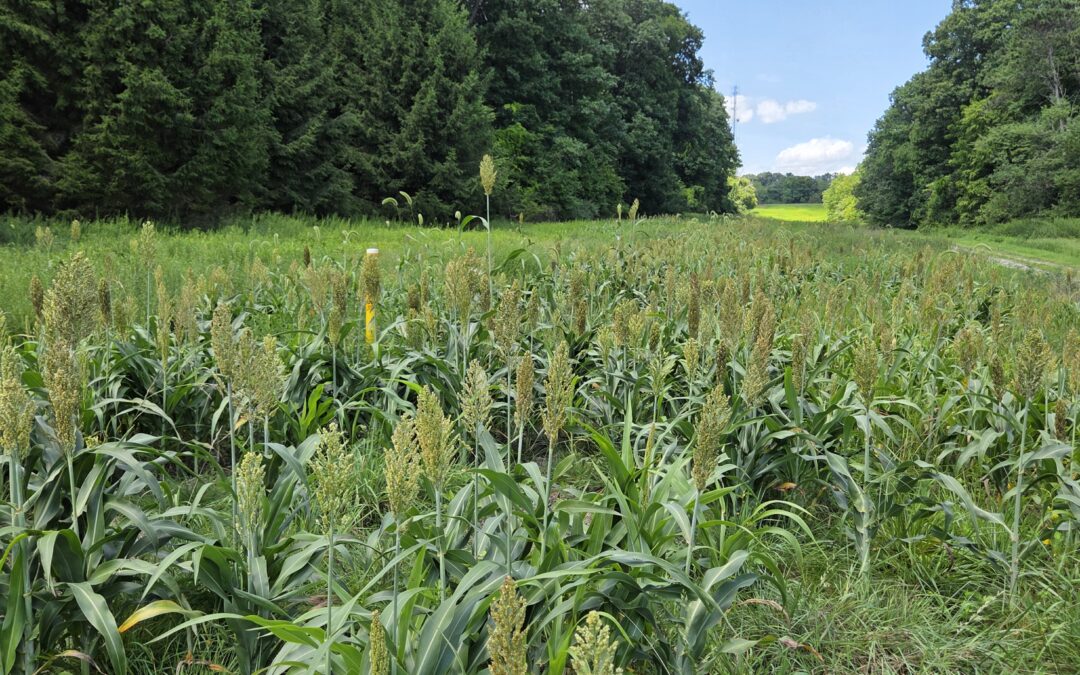
Lately many visitors have been asking, “What is that plant that sort of looks like short corn along the south end of the Perimeter Trail?” Well, the answer is Sorghum (AKA milo). Sorghum (Sorghum bicolor) is a drought tolerant cereal grass that we are using along with...
by Merrill Creek Reservoir | Jul 30, 2026 | Animals, Birds, Habitat, Merrill Creek Reservoir
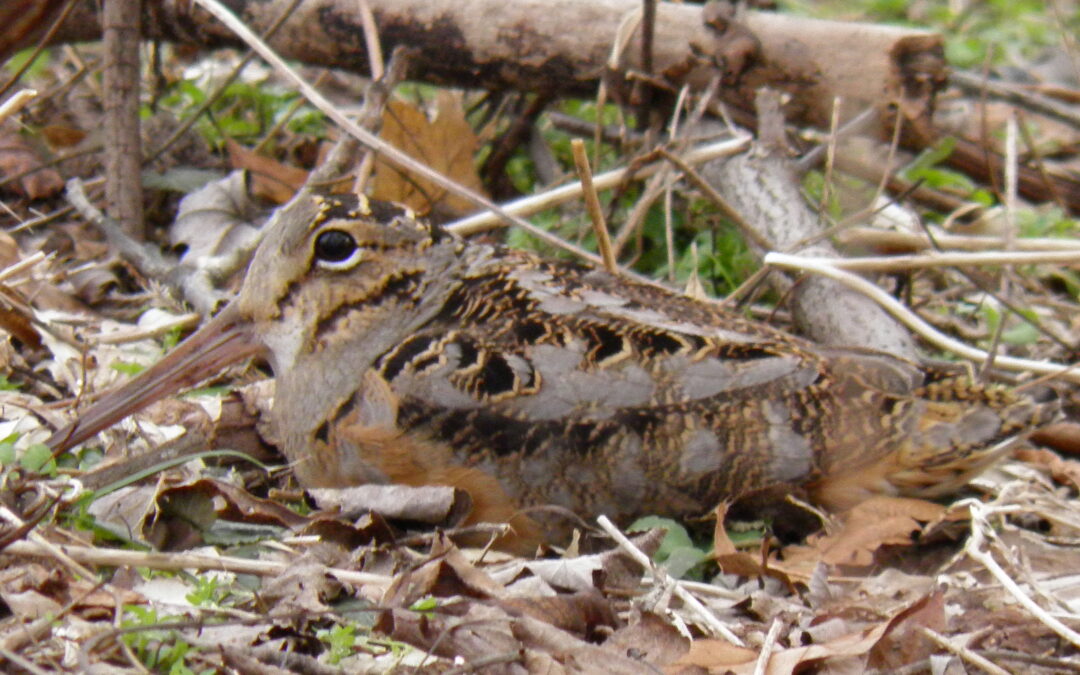
The American Woodcock (AKA The Timberdoodle) is a small plump semi-migratory shorebird that unlike its coastal cousins lives in young forests and shrubby old fields across eastern North America. Typically, wildlife enthusiasts and birders equate seeing Woodcock in...
by Merrill Creek Reservoir | Jul 21, 2026 | Habitat, Merrill Creek Reservoir, Plants
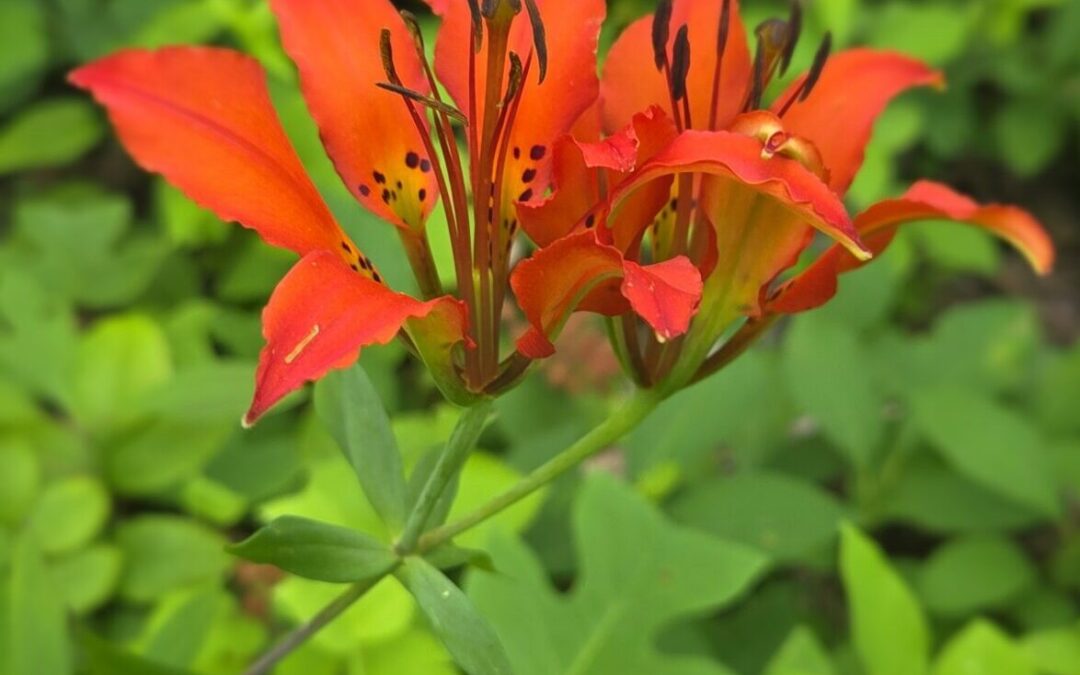
While performing vegetation regeneration survey work at one of MCR’s ecological forestry cuts recently, surveyors from New Jersey Audubon found a very rare plant for NJ. The plant, the Wood Lily (Lilium philadelphicum) is an endangered native wildflower in New...
by Merrill Creek Reservoir | Jun 26, 2026 | Birds, Merrill Creek Reservoir
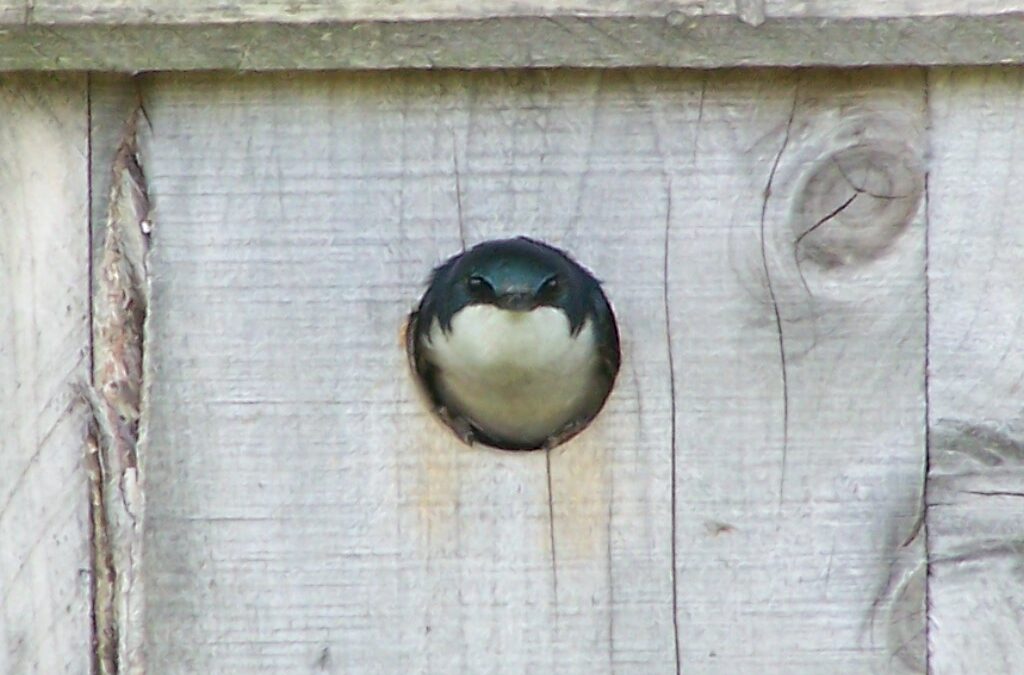
A visit to the MCR I/O Tower Parking Lot provides a birdwatch with a chance to see 5 of the 6 swallow species that regularly breed, migrate, or forage in New Jersey. All 5 breed at MCR, including the Cliff Swallow which is a NJ State Species of Concern. ...