
A visit to the MCR I/O Tower Parking Lot provides a birdwatch with a chance to see 5 of the 6 swallow species that regularly breed, migrate, or forage in New Jersey. All 5 breed at MCR, including the Cliff Swallow which is a NJ State Species of Concern. Specifically, the Cliff Swallows, as well as Barn Swallows, make their nests under the I/O Tower and under the I/O Tower Bridge.
Below is a quick synopsis provided from various educational material of each species that breeds at MCR. The only other swallow species of NJ that MCR does not have a record of is Bank Swallow.
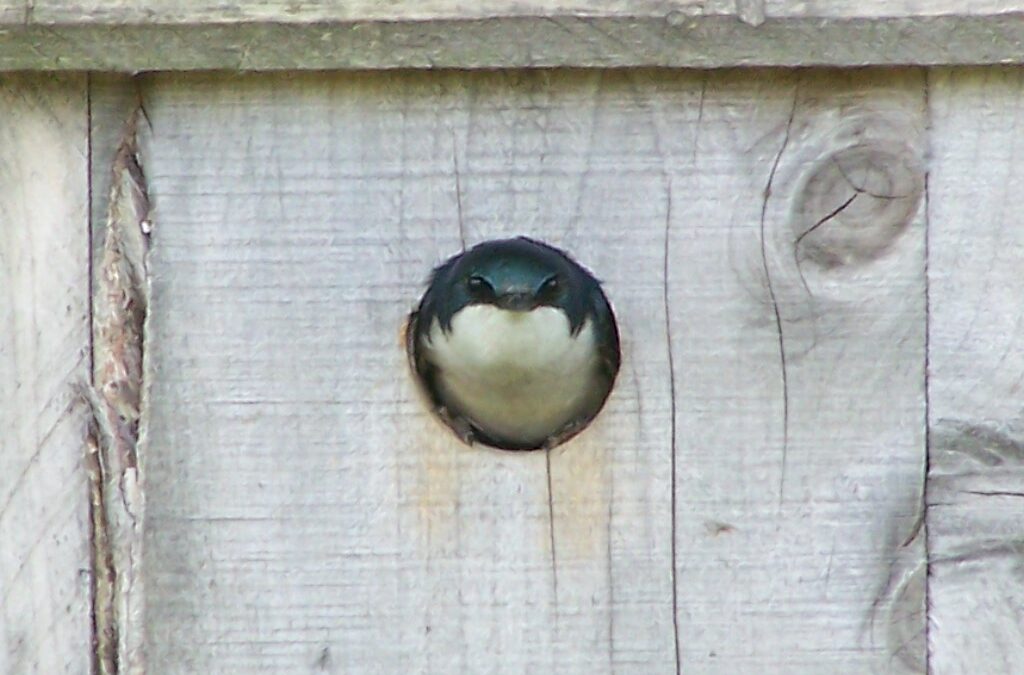
- Tree Swallow: A striking bird with iridescent blue-green feathers and a bright white belly. They are the earliest to arrive in the spring and nest in natural cavities or man-made nest boxes.
- Barn Swallow: The most common swallow in NJ, easily identified by its long, deeply forked tail. They construct cup-shaped mud nests on human-made structures like barns and bridges.
- Cliff Swallow: Listed as a Species of Special Concern in NJ. They are highly social, colonial nesters that build enclosed mud nests under highway overpasses, bridges, and dams.
- Purple Martin: North America’s largest swallow. You can spot them soaring high over open areas near water. They too like the Tree Swallows, are cavity nesters and will use man-made nest boxes, especially the white gourd nesting structures. In mid-August, hundreds of thousands congregate in massive flocks along the Delaware Bayshore.
- Northern Rough-winged Swallow: A more subtle, brownish swallow with a dusky throat. Instead of communal nesting, pairs nest alone in burrows along dirt banks, streams, or inside drainpipes or other holes in structures.
According to Biodiversity Gateway, “Swallows play a vital ecological role as voracious aerial insectivores, consuming thousands of flying insects daily. By naturally controlling pests that harm crops and livestock, and serving as bioindicators of wetland health, they maintain food web balance and reduce the need for chemical insecticides.”
Manomet Conservation Sciences states that, “Beyond their direct ecosystem services, swallows (particularly the Tree Swallow) are considered classical model organisms in biological and climate research. Because they nest readily in artificial boxes, they are frequently studied by behavioral ecologists and ornithologists to understand the impacts of climate change on migration, stress, and breeding patterns.”
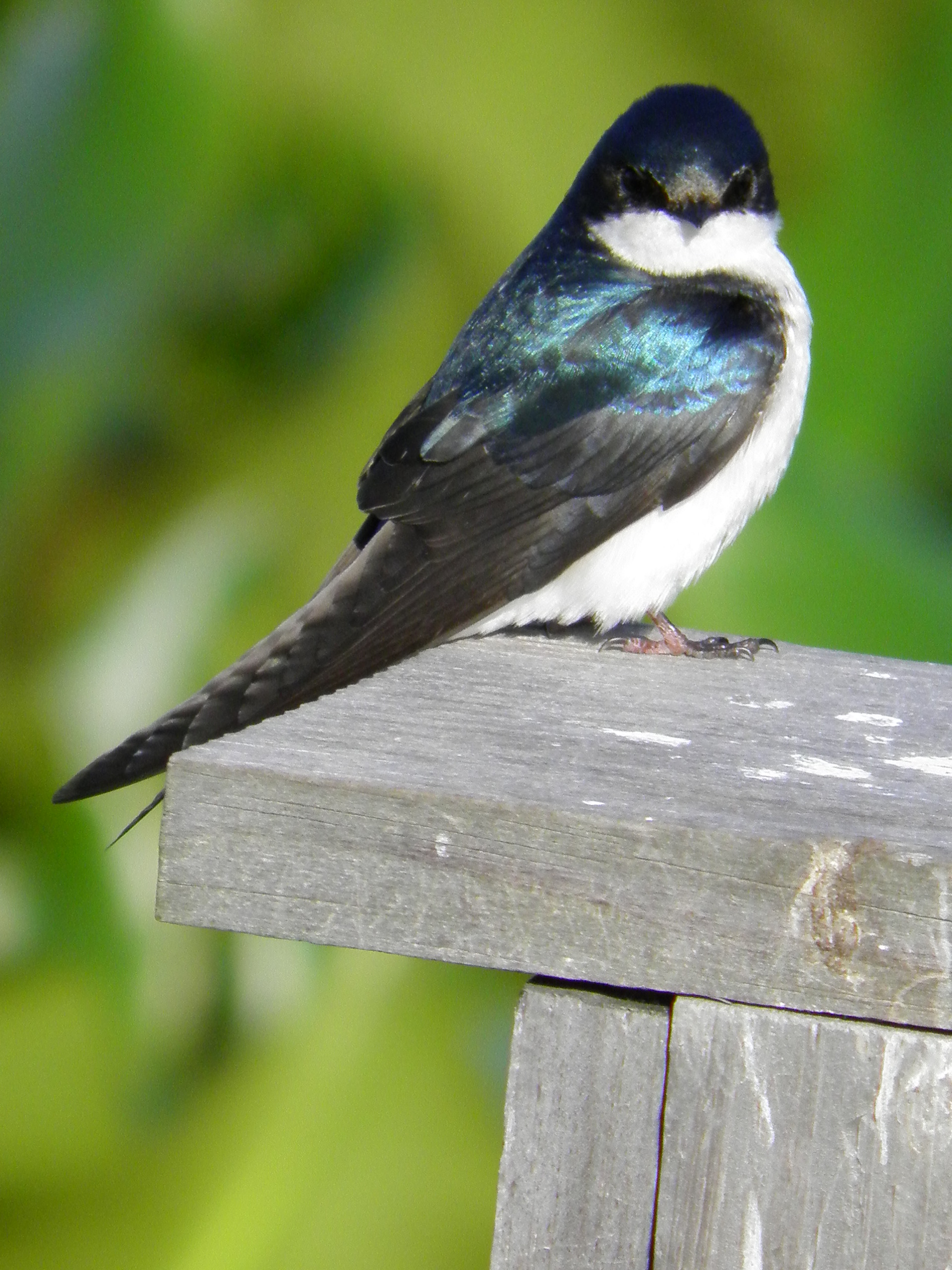
Tree Swallow
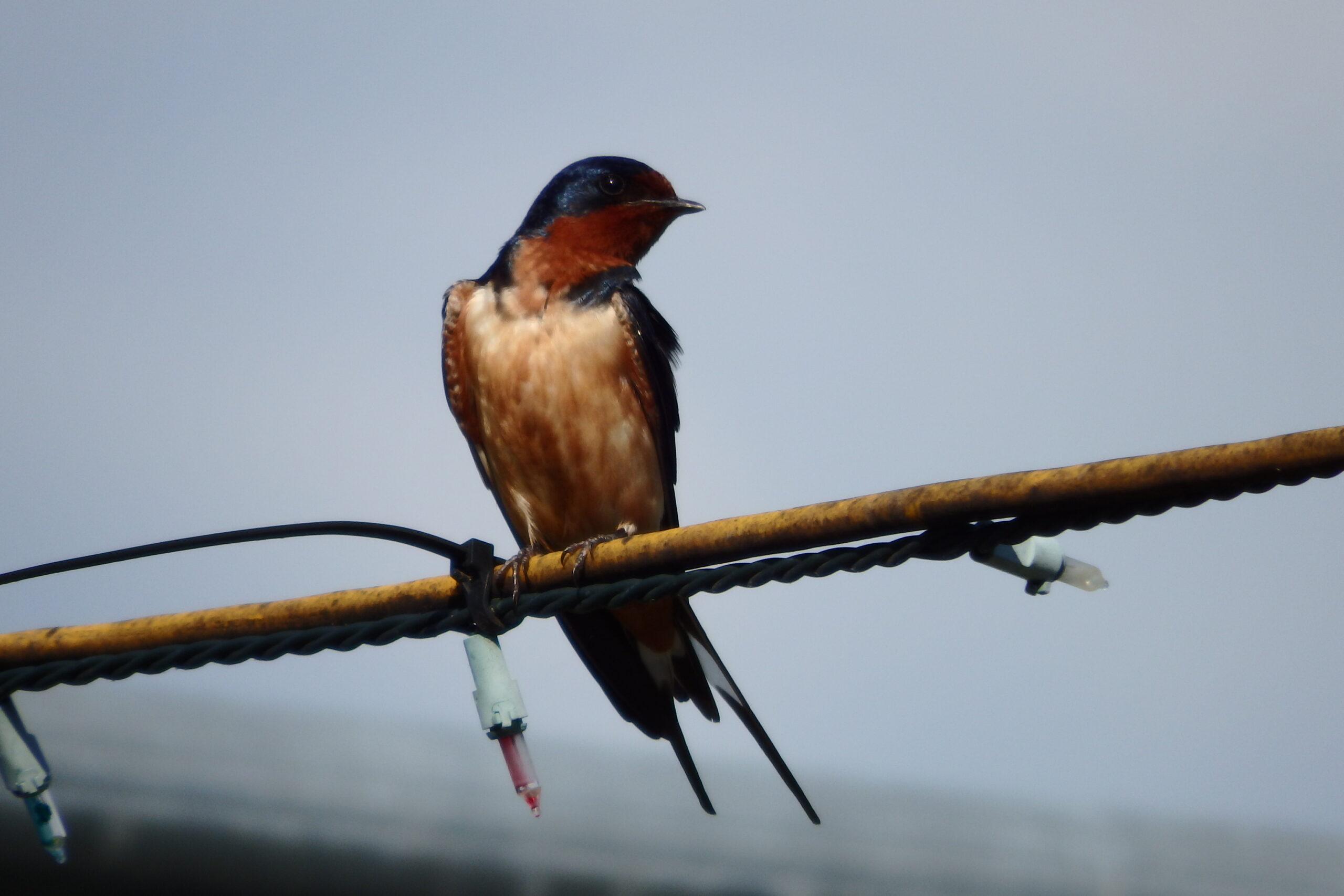
Barn Swallow
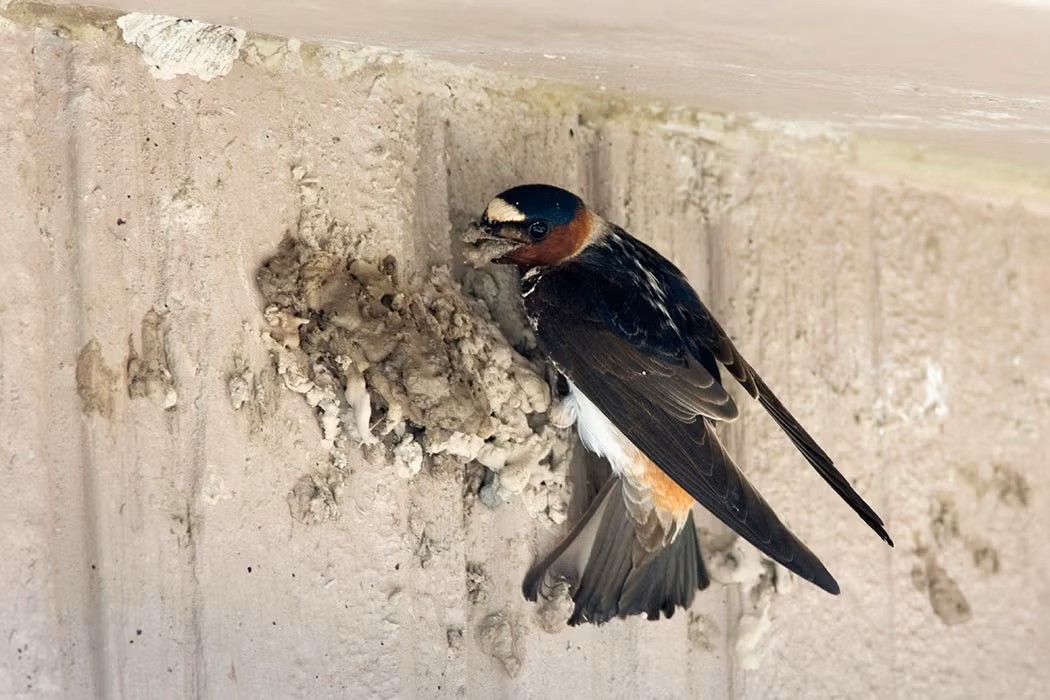
Cliff Swallow (Photo by Mattew Wills)
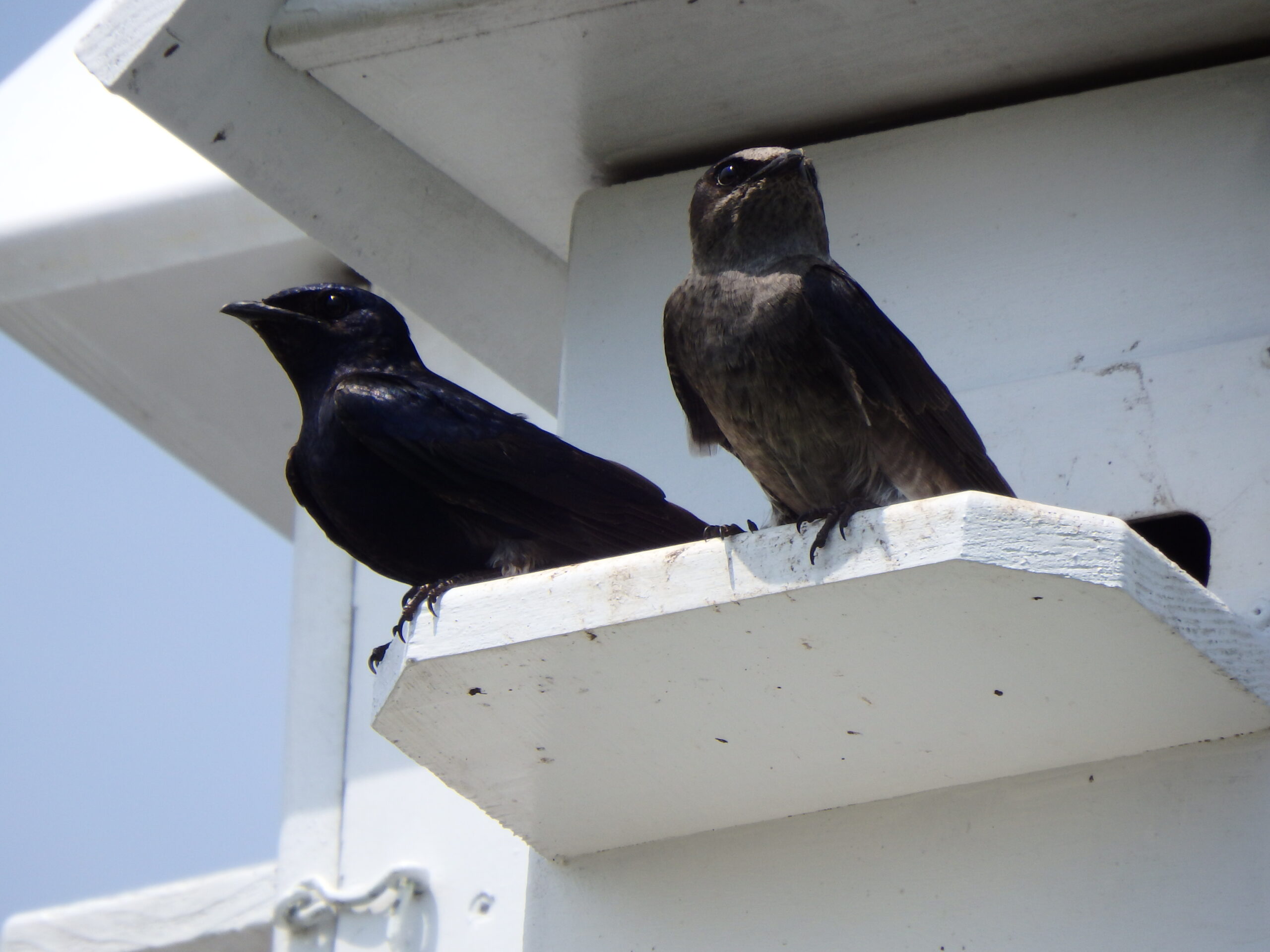
Purple Martin
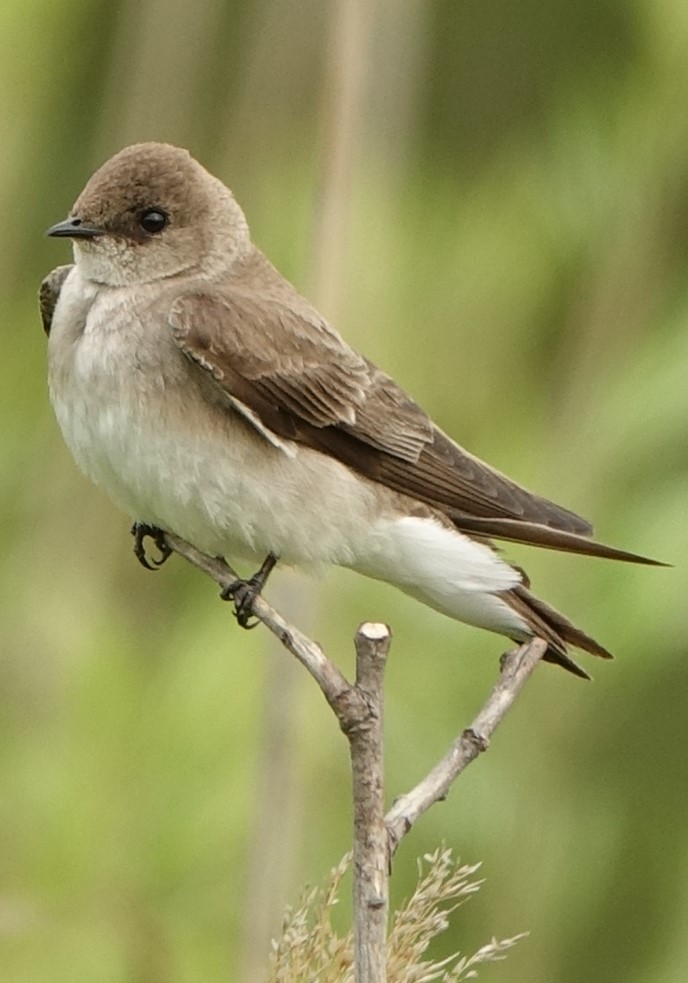
Northern Rough-Wing Swallow