
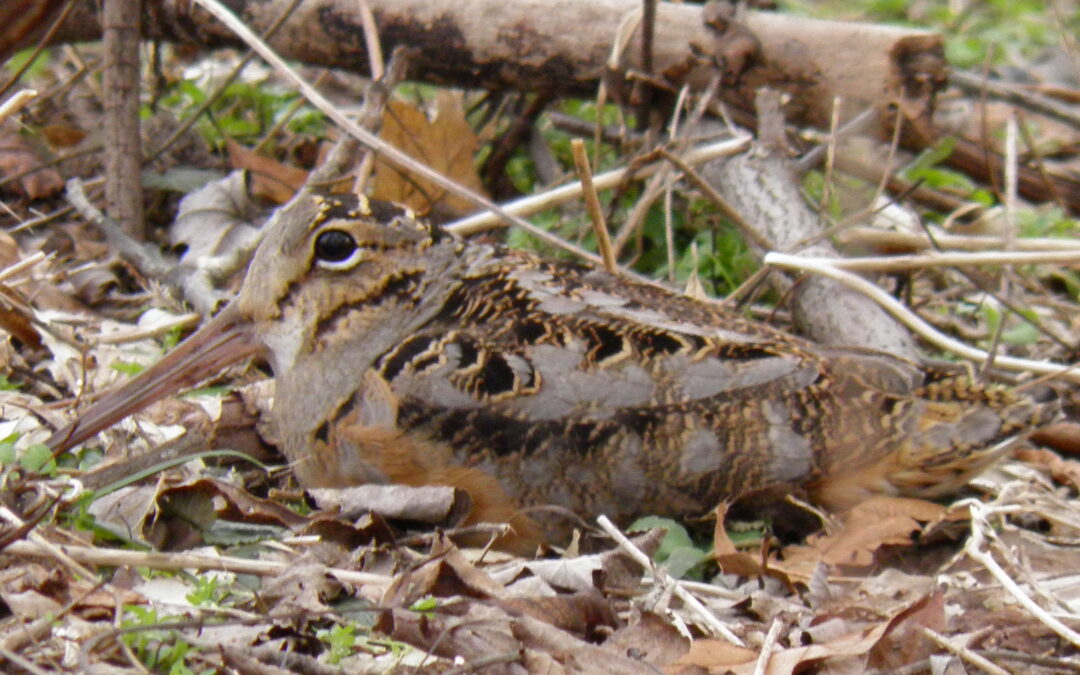
The American Woodcock (AKA The Timberdoodle) is a small plump semi-migratory shorebird that unlike its coastal cousins lives in young forests and shrubby old fields across eastern North America. Typically, wildlife enthusiasts and birders equate seeing Woodcock in early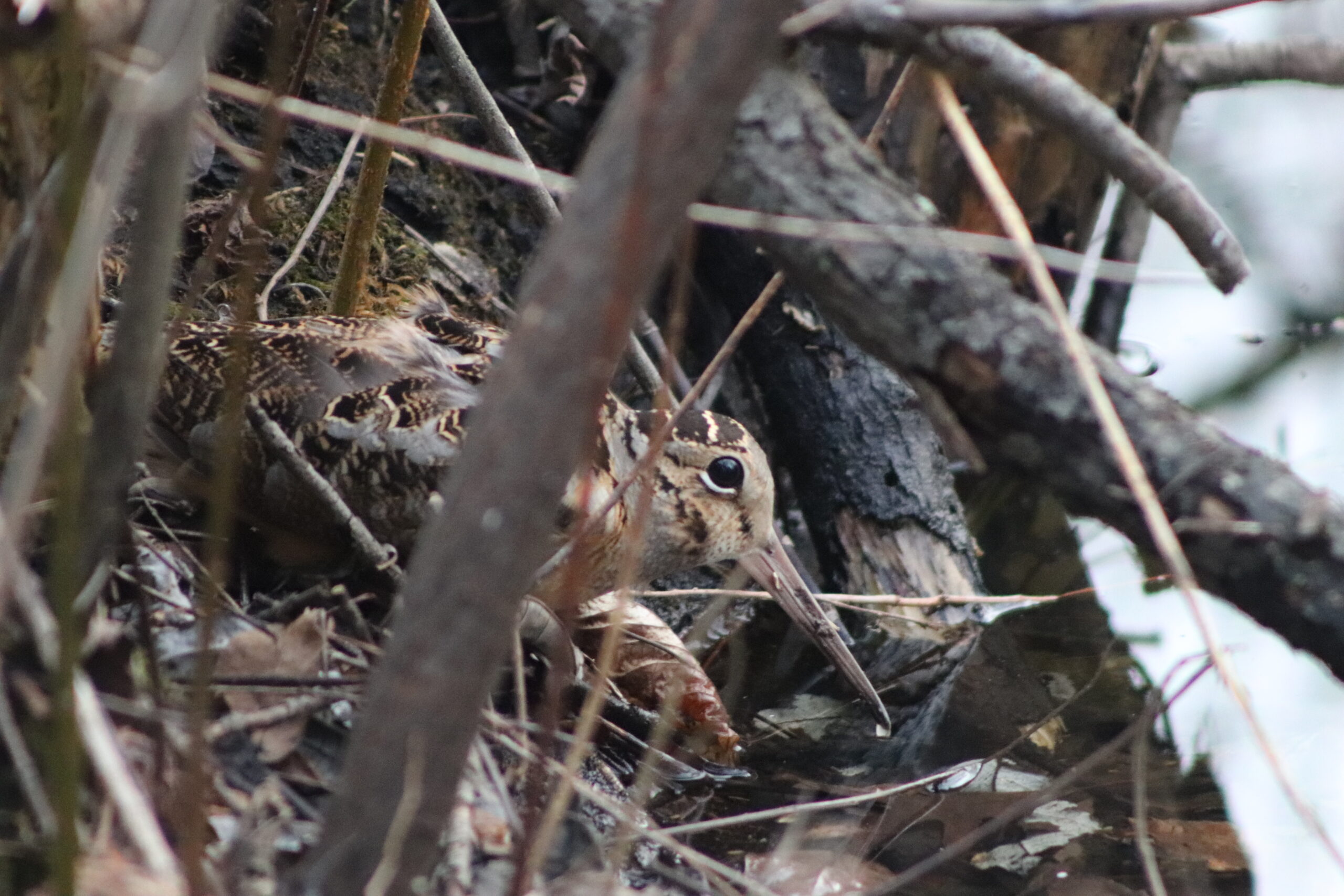 Spring when at dawn or dusk, the males put on an exhibition for females by performing amazing aerial displays and making loud, nasal “peent” calls. But where are they during the summer months as they raise their young? Well apparently, they are here at Merrill Creek Reservoir!
Over the last few weeks MCR staff while out doing various vegetation surveys in several forestry treatment areas at MCR have been coming across not just adult Woodcock, but adults with young (broods)!
According to many Avian-centric education and research groups and State and Federal Wildlife Agencies, to successfully breed and raise young, the American Woodcock relies on specific structural and ecological components grouped in close proximity in early successional landscapes. American Woodcock breeding habitat requires a mosaic of four distinct, closely linked environments: singing grounds for courtship, open canopy young hardwood forest and thickets for nesting and brooding, moist or disturbed soils with thick layer of leaf litter for earthworm and insect foraging, and open shrubby fields for nighttime roosting.
Over the past few years MCR has been implementing various ecological forestry practices such as forest thinning, harvest, invasive vegetation controls, plantings and prescribed fire under a NJDEP approved Forest Stewardship Plan. These practices vary in forest stand, but overall, they are specifically designed to support increased biodiversity of native flora and fauna by creating habitat types that at some areas of the property are uneven aged (rather than an even aged forest where the trees are of equal age and roughly equal height creating a uniform closed canopy upper layer of leaves and branches.).
As the regeneration of native vegetation, especially trees and shrubs, at these treatment areas progresses, overgrown bushy thickets form that feature high density woody stem densities. This habitat type of young forest offers ground nesting species, like American Woodcock, an excellent place to nest and raise young because of the overhead concealment from predators that the brush provides.
According to the NJDEP, “American Woodcock populations have experienced a severe, long-term decline in New Jersey. Historical data shows an estimated 80% drop in NJ’s woodcock population from 1970 to 2017, driven primarily by a massive loss of early successional (young forest and scrub-shrub) habitats as open lands turn to mature forests or get developed”. MCR’s diverse habitat mix of meadows, wetlands, forest with forest clearings, agricultural fields, and open secondary growth forest stands coupled with active forest and meadow management bring together all habitat elements for Woodcock to thrive.
Examples of Woodcock Habitat in MCR Forest Treatment Areas:
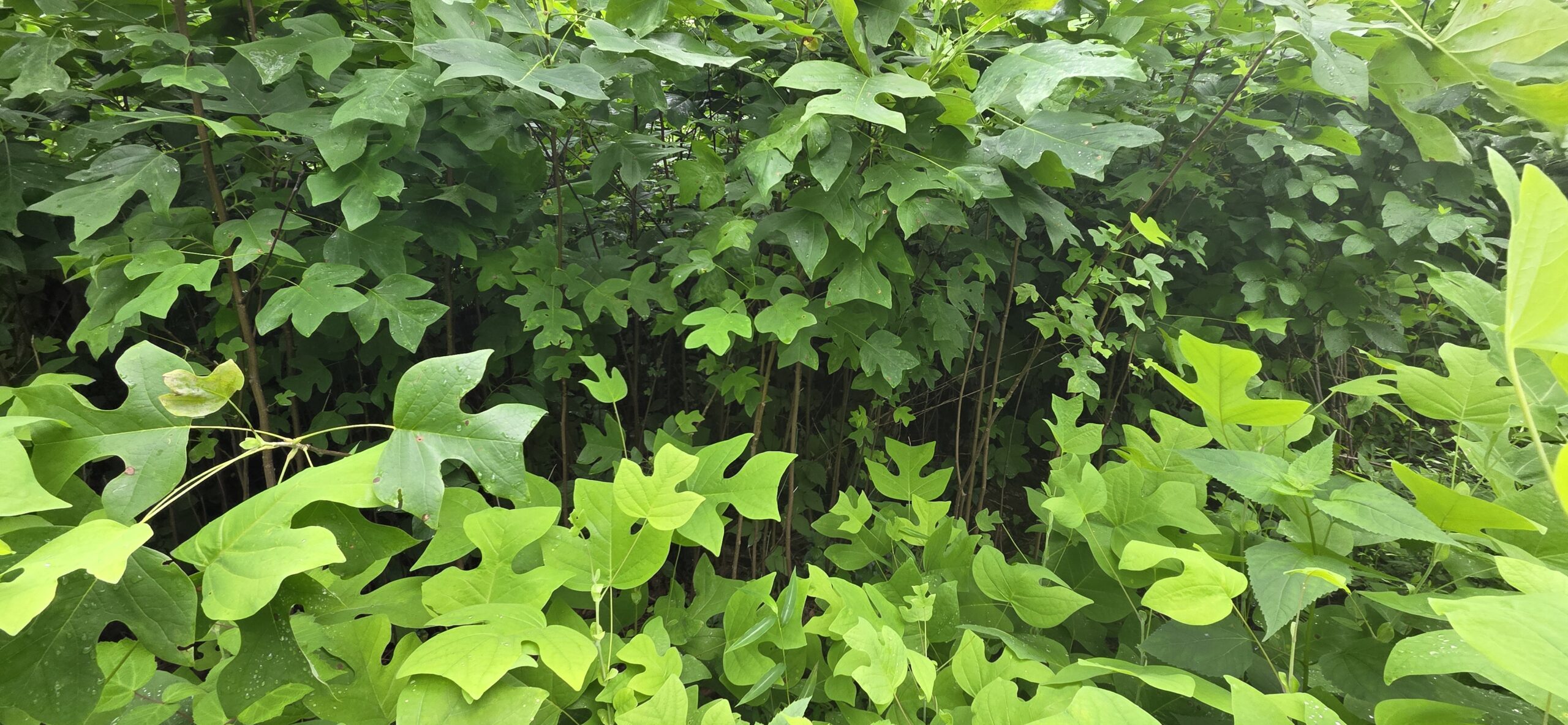
Close up of Young Forest Regeneration with High Stem Density at MCR Forest Treatment Area
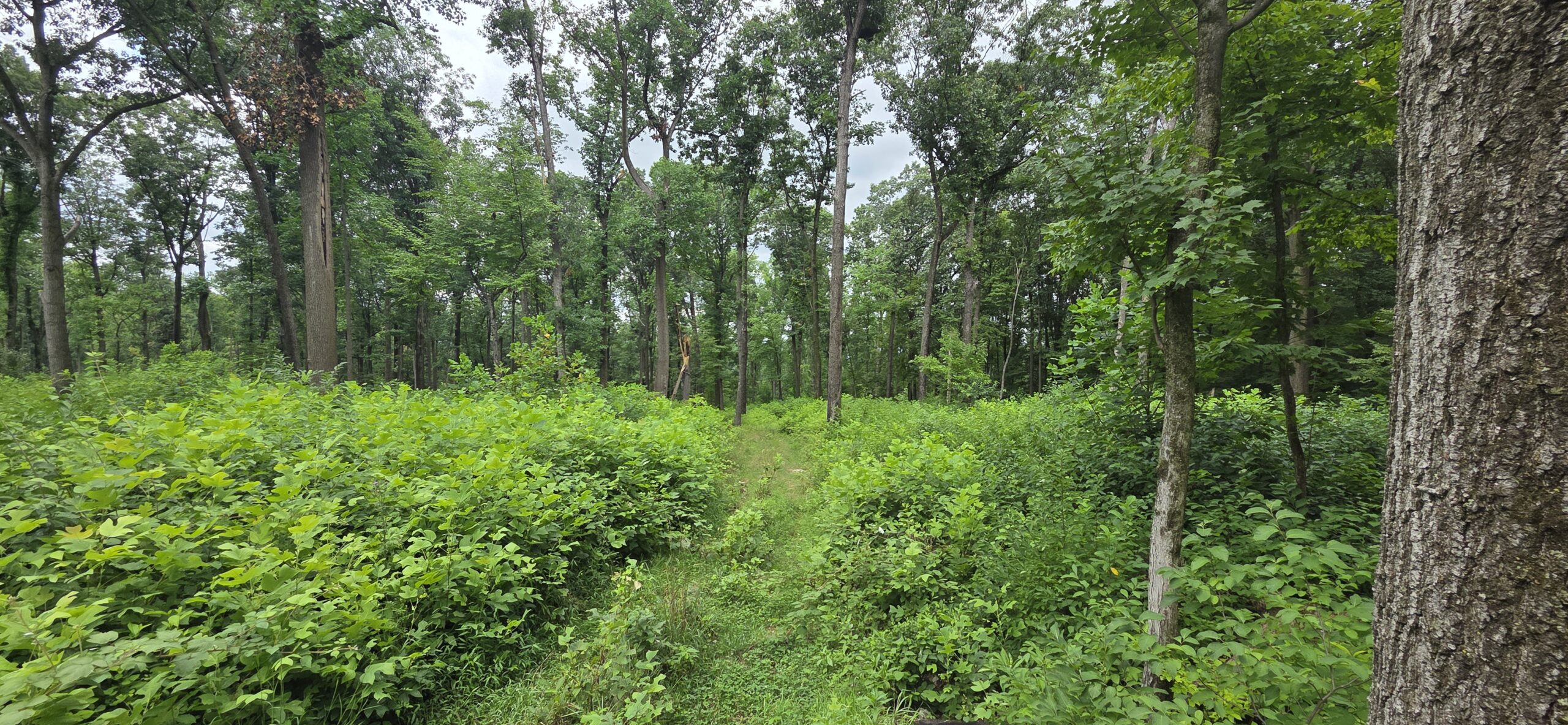
MCR Forest Treatment Area 2026 – post treatment – hardwood young forest – uneven age class -high stem density
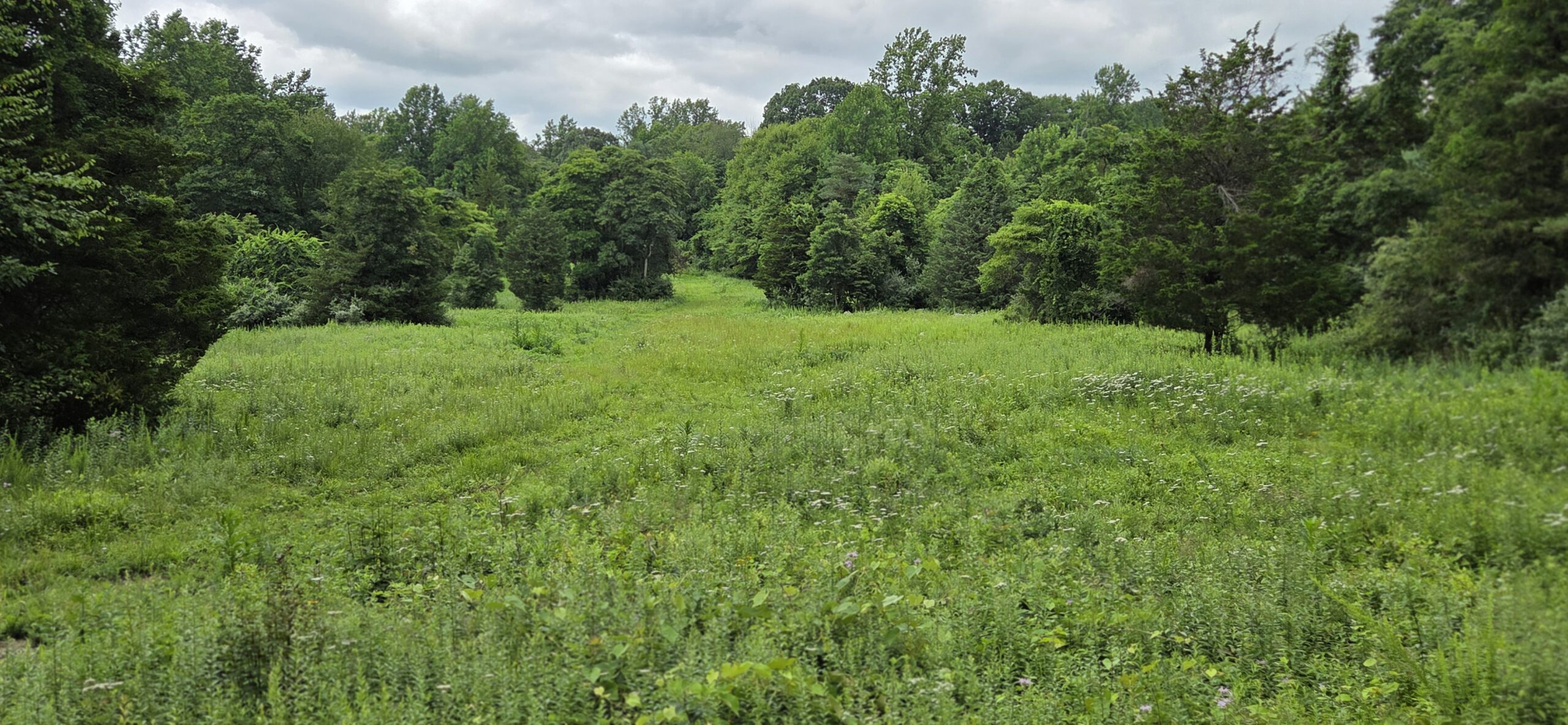
Small Meadow Surrounded by Mature Even-Age Forest at MCR
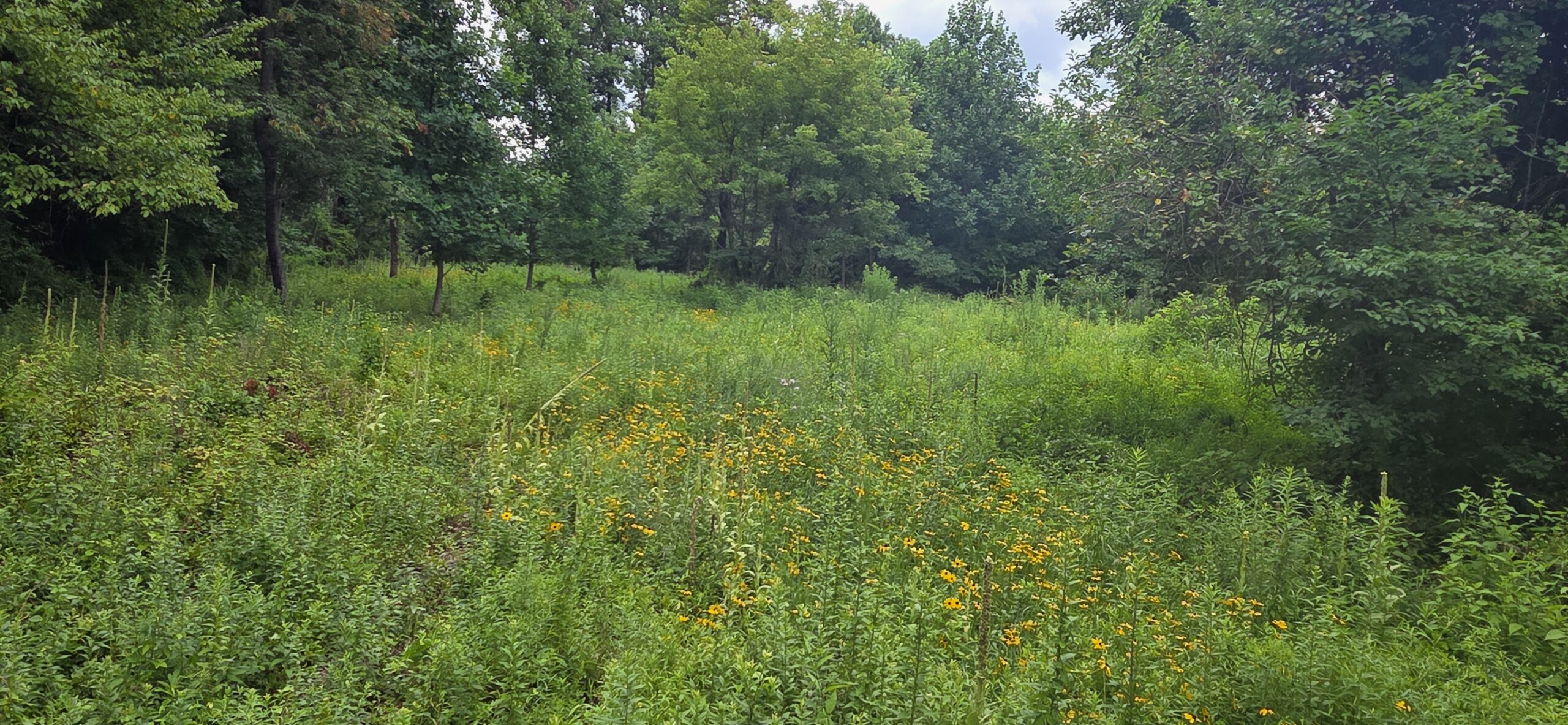
Young Forest -Shrub-Shrub Thicket Habitat Surrounded by Forest at MCR