
With the return of the migrating Snow Geese to Merrill Creek Reservoir this past week, three other goose species from the far north were found to be tagging along with the flock. Specifically, a Pink-Footed Goose, a Greater White Fronted Goose, and several Cackling Geese.
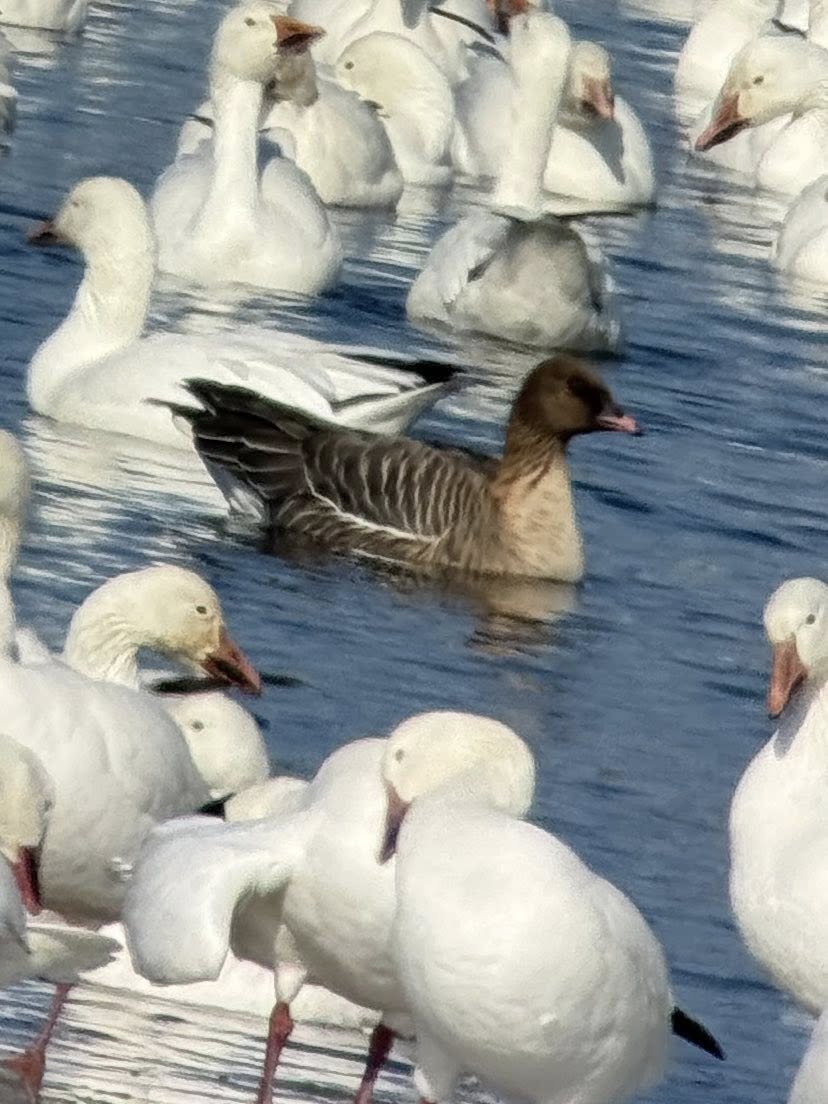
Pink-Footed Goose mixed in with migrating Snow Geese at Merrill Creek Reservoir 2/28/2026. Photo by Jane Bullis
Although two of these three unusual species, specifically the Greater White Fronted Goose and Cackling Geese, are considered rare winter visitors to this area, they have occurred enough over the years that their presence here at MCR is somewhat “expected”. Meaning, they have been sighted here at MCR more than one or two times. However, this is the first time that a Pink-footed Goose has been sighted here. In fact, following the first New Jersey state record in 2011, there have only been 25 reported occurrences of Pink-footed Geese (Anser brachyrhynchus) in the entire state. Normally, Pink-Footed Geese can be found in Denmark and Greenland and then migrate first to Iceland, where they and Icelandic breeders then depart for Scotland and England, where they typically winter. That said, at MCR we consider this bird to be more than just a rare occurrence, it’s an “Accidental” as far as MCR’s bird records are concerned.
So what is an “Accidental” Bird?
An accidental bird is a wild bird species sighted far outside its normal, established breeding or migratory range. These occurrences are typically one-time or very rare appearances, often caused by severe weather, navigational errors during migration, or climate-related factors.
Key aspects of accidental birds include:
- Location: They are found in regions where they do not typically belong, sometimes hundreds or thousands of miles from home.
- Causes: They are often blown off course by storms or suffer from disorientation, particularly young birds on their first migration.
- Distinction: They are not escaped pets or zoo animals; they are wild birds.
While the term “accidental” suggests a random event, some researchers argue that this phenomenon could be natural, albeit rare, evolutionary process for species range expansion due to climate change impacts.
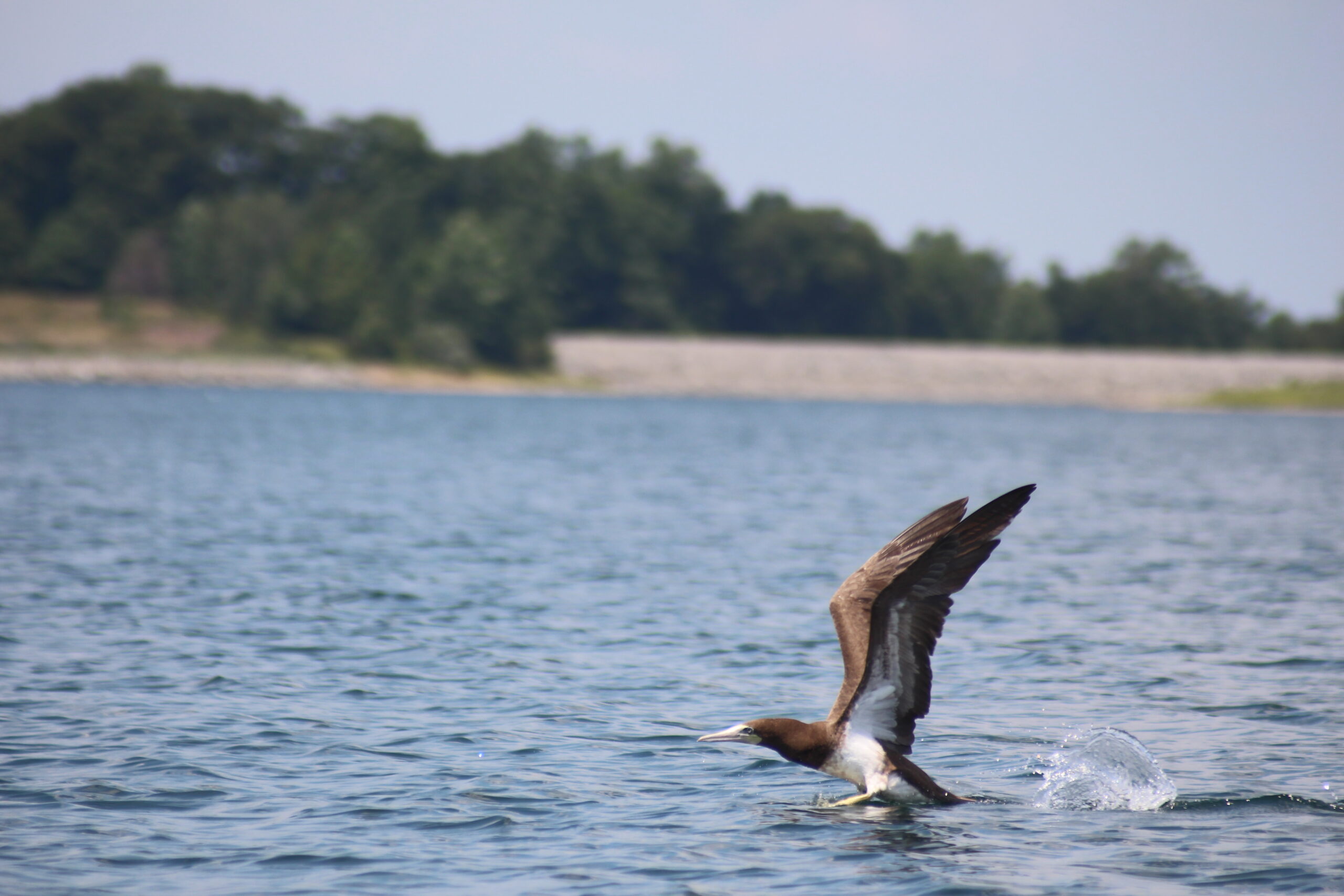
A Brown Booby graced MCR for a few days back in July 2016
Over the years MCR has had many accidentals that have delighted birders as these accidentals provide a thrill of discovery, a boost to a birder’s “life list,” and a welcome break from observing common, everyday species. Also, accidental sightings offer a chance to study a species’ unique behavior, identification marks, and habitat needs that a birder might not otherwise encounter.
However, the excitement of seeing an accidental comes with responsibility, as birders are often reminded to practice ethical birding behavior, such as not disturbing the bird, especially if it is stressed being in unfamiliar surroundings.
Here is a list of the Accidentals that have been observed at MCR over the years and where they are normally found:
- Pacific Loon (5/9/1992) – Western North America and across the Pacific to Japan
- Western Grebe (1/31/2007) – Western and Central North America
- American White Pelican (6/23/2008) – Western, Central and Gulf States of US
- Brown Pelican (1/27/2007) – Gulf States, Caribbean, South America, and Eastern US Coast
- Brown Booby (7/12/2016) – Pelagic – Southern Oceans around Caribbean, Africa, South America, Australia, and Asia
- Anhinga (8/31/2003) – Southern and Gulf Coastal states of US, Central and South America
- Ross’s Goose (1/29/2007) – High Arctic, central Canada, Western and Midwestern States and Mexico
- Barnacle Goose (12/3/1998) – Svalbard and Greenland, Scotland and Ireland, Russia, Denmark to Belgium. Baltic and North Seas
- Pink-Footed Goose 2/28/2026) – Svalbard, Denmark, Greenland, Iceland, Scotland, and England
- Eurasian Widgeon (1/15/1997 & 2/27/2025) – Iceland, Europe, Asia, Africa
- Barrow’s Goldeneye (2/5/2002) – Alaska, Western Canada and US, Quebec, Iceland
- Swallow-tailed Kite (8/31/2004) – Gulf States, Caribbean, Central and South America
- Mississippi Kite (5/15/2005) – Gulf States, Caribbean, Central and South America
- Swainson’s Hawk (10/31/2002) – Alaska, Central and Western Canada/US, Central and South America
- Gyrfalcon (12/8/2017) – Arctic, Alaska, Greenland, Northern Canada, Northern Europe, Northern Asia, Great Lakes
- Sandhill Crane (10/30/2009) – Alaska, Northeastern Russa, Canada, Northern, Central and Southern US
- American Golden Plover (9/19/2011) – Arctic, Central and Eastern Canada, Eastern Coast of US, Central and South America
- American Avocet (8/04/2010) – Western, Central and Southern and Gulf States of US, Central America, Caribbean
- Willet (8/04/2010) – Western, Central and Southern and Gulf States of US, Coasts of Central America, South America, Caribbean and US Eastern Coastal States
- Sanderling (8/23/2012) – Arctic, Alaskan Coast, Midwets, Great Lakes, Coastal Eastern US and Caribbean and Central America
- Red-necked Phalarope (10/6/2010) – Alaska, Arctic, Western and Eastern Coasts of US and Western Coasts of Central and South America
- California Gull (2/11/2009) – Western and Midwestern US, Western Coast of Mexico
- Sabine’s Gull (10/10/2000) – Greenland, Arctic, Western Coast of North and Central America
- Common Ground Dove (7/18/2008) – Southern Gulf States, Caribbean, Central and South America
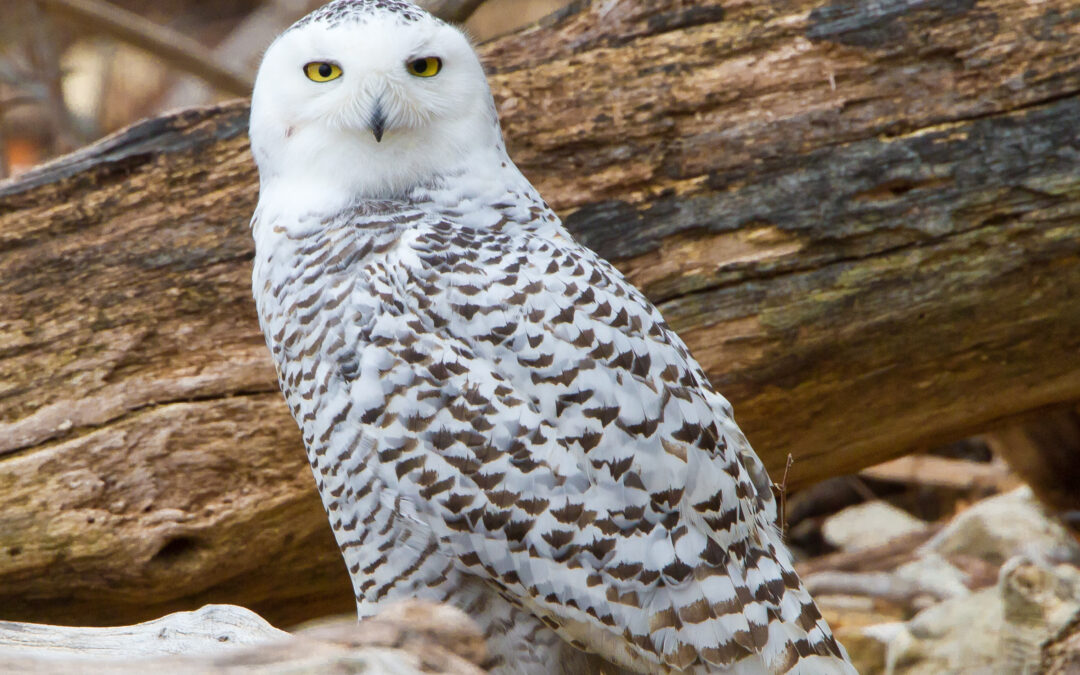
- Snowy Owl (11/19/2011) – Arctic, Greenland, Northern North America, Northern Europe, and Northern Asia
- Rufous Hummingbird (8/26/2009) – Western North and Central America, Gulf States
- Western Kingbird (9/22/20) – Western North and Central America, Florida, Caribbean
- Boreal Chickadee (2/23/2019) – Alaska, Canada, Great Lakes, Maine
- Towsend’s Solitaire (10/25/2007) – Alaska, Western Canada, and Western US
- Orange-crowned Warbler (10/17/2007) – Alaska, Canada, US – except for Northeastern States, Central America
- Yellow-throated Warbler (8/11/2010) – Midwest/Southern US States, Central America, and Caribbean
- Prothonotary Warbler (9/7/2009) – Midwest/Southern US States, Central America, and Caribbean
- Swainson’s Warbler (6/7/2009) -US Southern and Gulf States, Central America, and Caribbean
- Clay-colored Sparrow (7/10/15) – Central Canda, Central/Midwestern US, Mexico
- Henslow’s Sparrow (11/2/2008) – Central, Great Lakes Region, Southern and Eastern US
- Pine Grosbeak (winter) – Alaska, Canada, Northern US, Northern Europe, and Northern Asia
For MCR birding information and a Check List of Birds at MCR go to our Birding Page https://merrillcreek.com/home/birding-at-mcr/